SNAP cuts have created a crisis of access on tribal lands | Opinion
Arizona tribal members are facing extreme hardships accessing SNAP because of cuts to the program. The federal government is breaking their treaty obligation by delaying and denying this food support.
Jaynie Parrish For The Republic
June 5, 2026, 5:32 a.m. MT
Betty didn't apply for food assistance as a political act. She applied because she wanted her family to have enough food to eat.
She submitted her application in November 2025 and waited. There was no denial letter. No update. No interview.
She hitchhiked 44 miles to the nearest Arizona Department of Economic Security office in Chinle. She was handed an 800 number and told to call it. She called and called. No one answered.
She hitchhiked home.
Betty is one of 432,000 Arizonans who have lost Supplemental Nutrition Assistance Program (or SNAP) benefits since July 2025 — a 47% drop, the steepest decline in the nation. More than 213,000 children were served by SNAP. On the Navajo Nation it was one out of every three households.
These are our relatives, neighbors, elders and kids.
Access to SNAP causing hardships on tribal lands
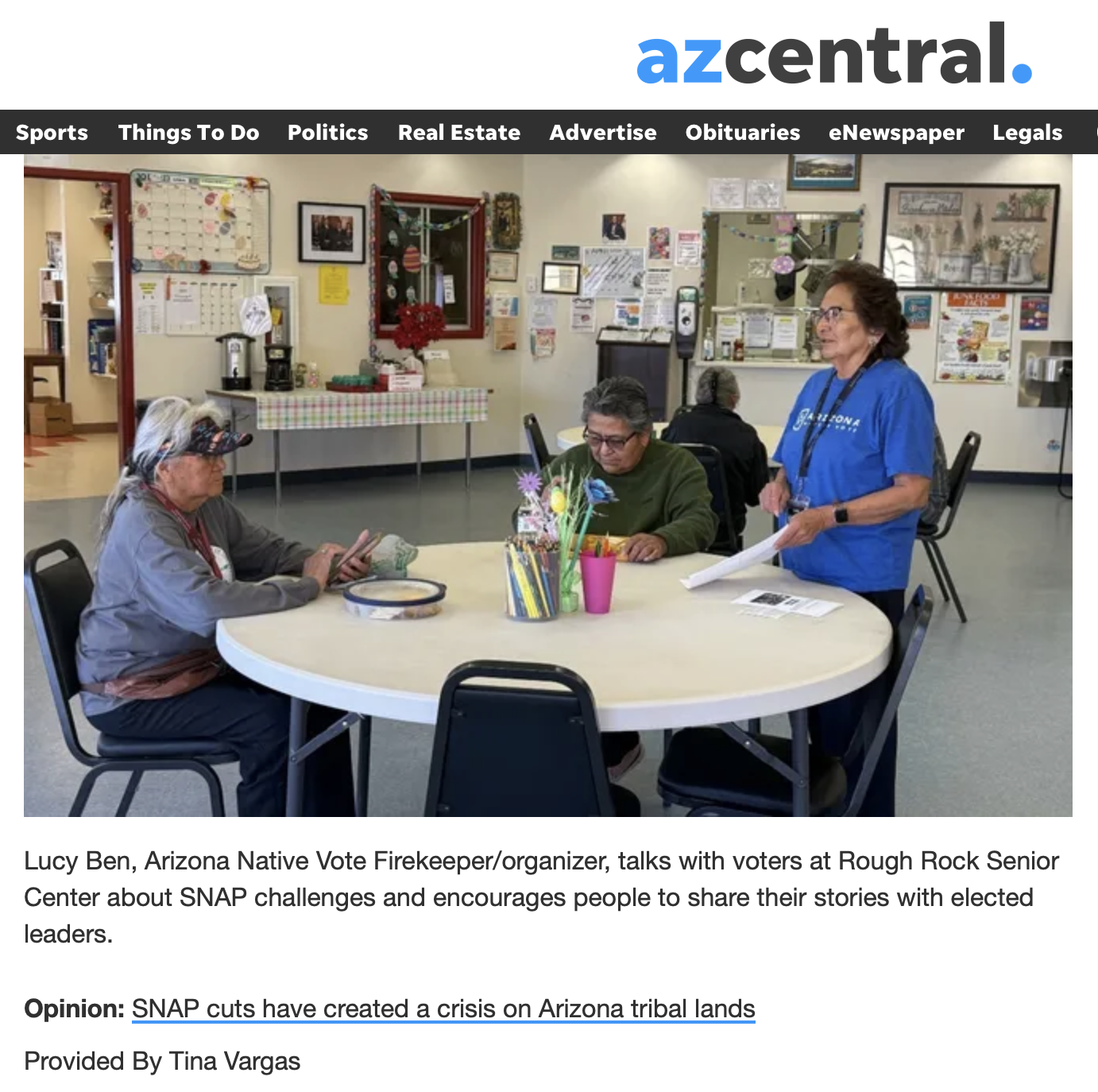
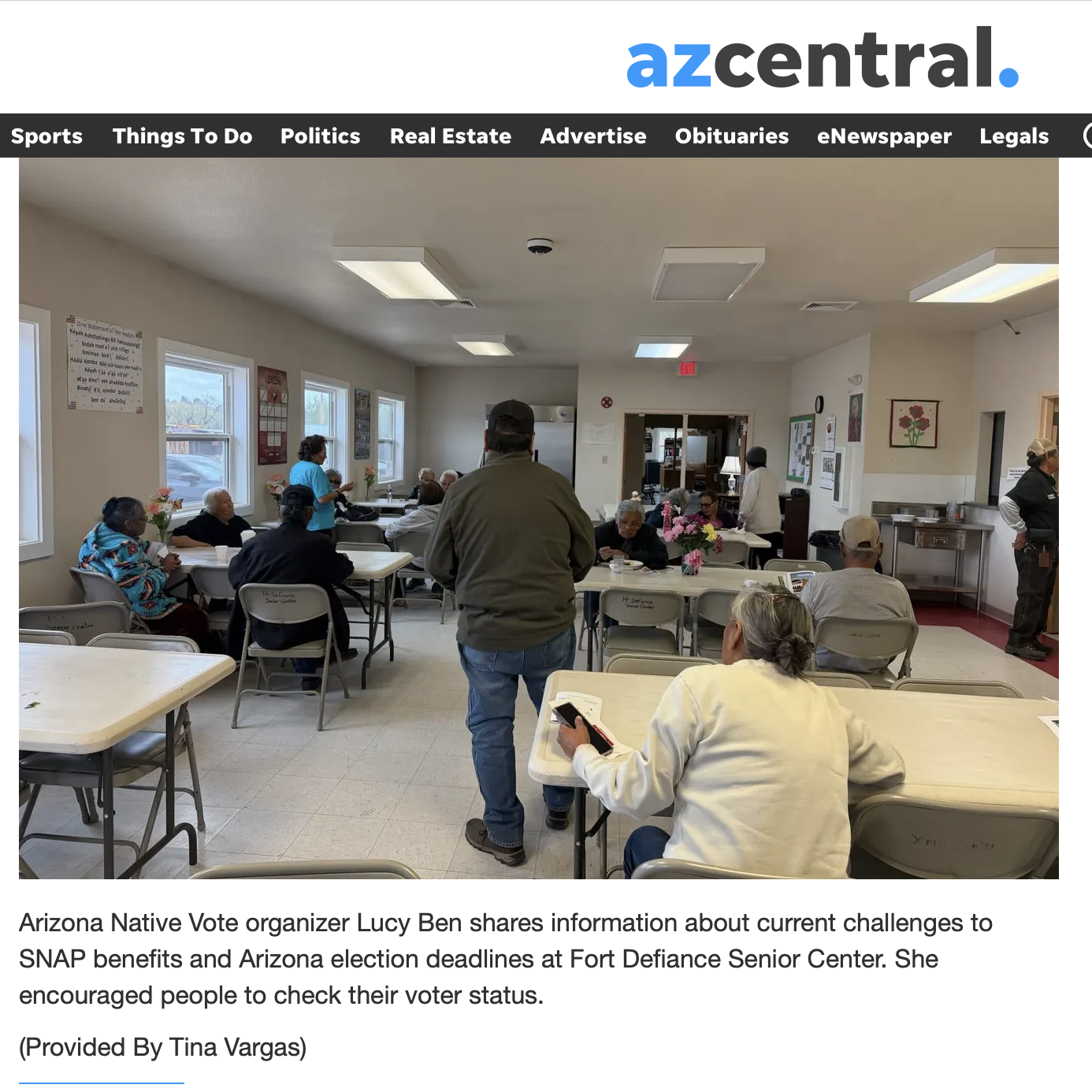
Across Navajo Nation and on Hopi and White Mountain Apache lands, the Department of Economic Security (DES) is telling local community members that the rules have changed, and most documents, questions and reviews are handled in Phoenix.
That means a more than five-hour drive south. That is, if you have a car. Some people are hitchhiking to the nearest offices (or catching a ride from a family member) to find out what is going on with their benefits.
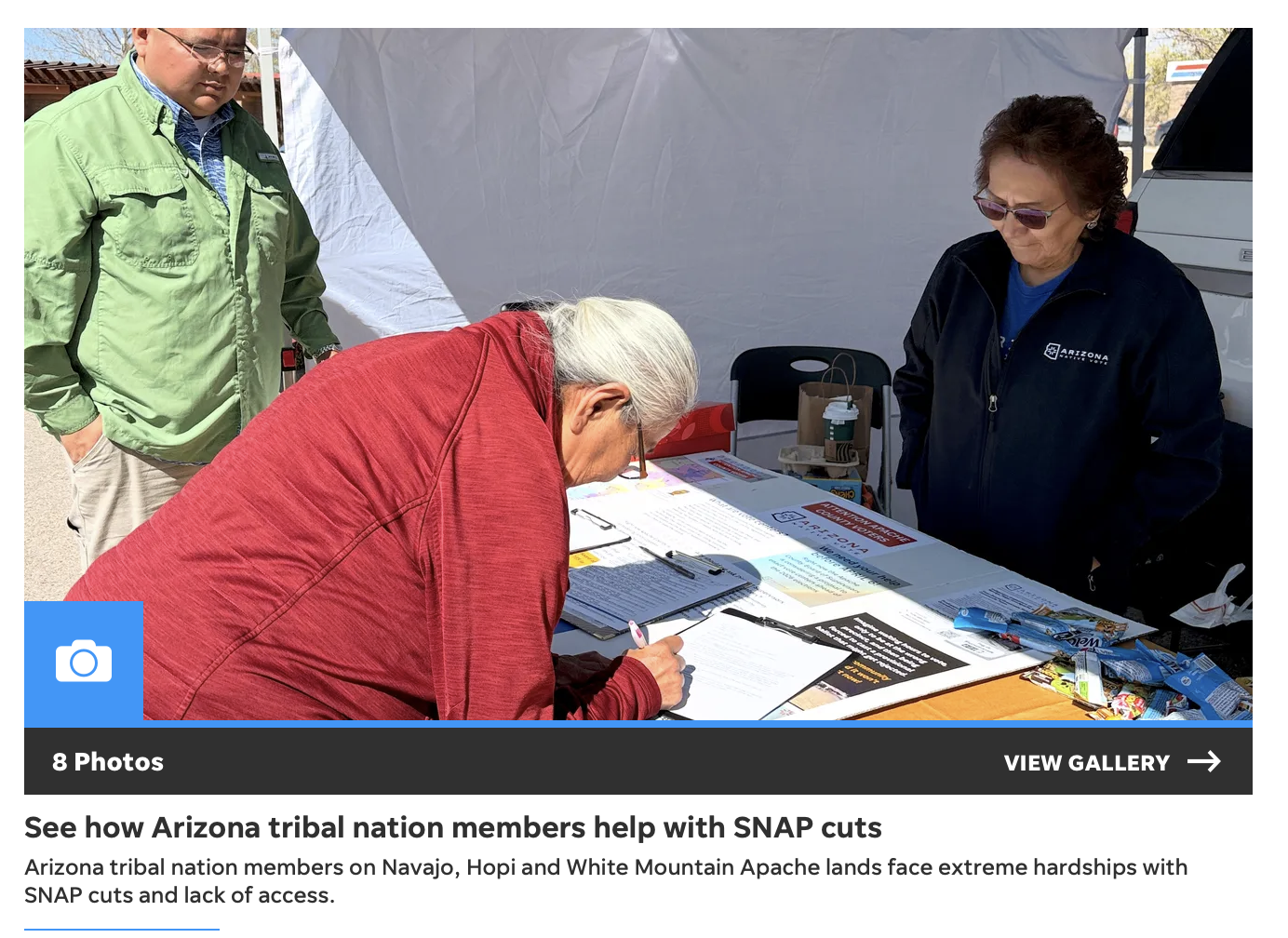
Since April and May, I’ve learned more about my community members' fears and how they are being harmed by the current policies. My colleagues and I are talking directly with voters about this upcoming midterm election. We keep hearing more stories of their frustration about the difficulty of receiving SNAP benefits.
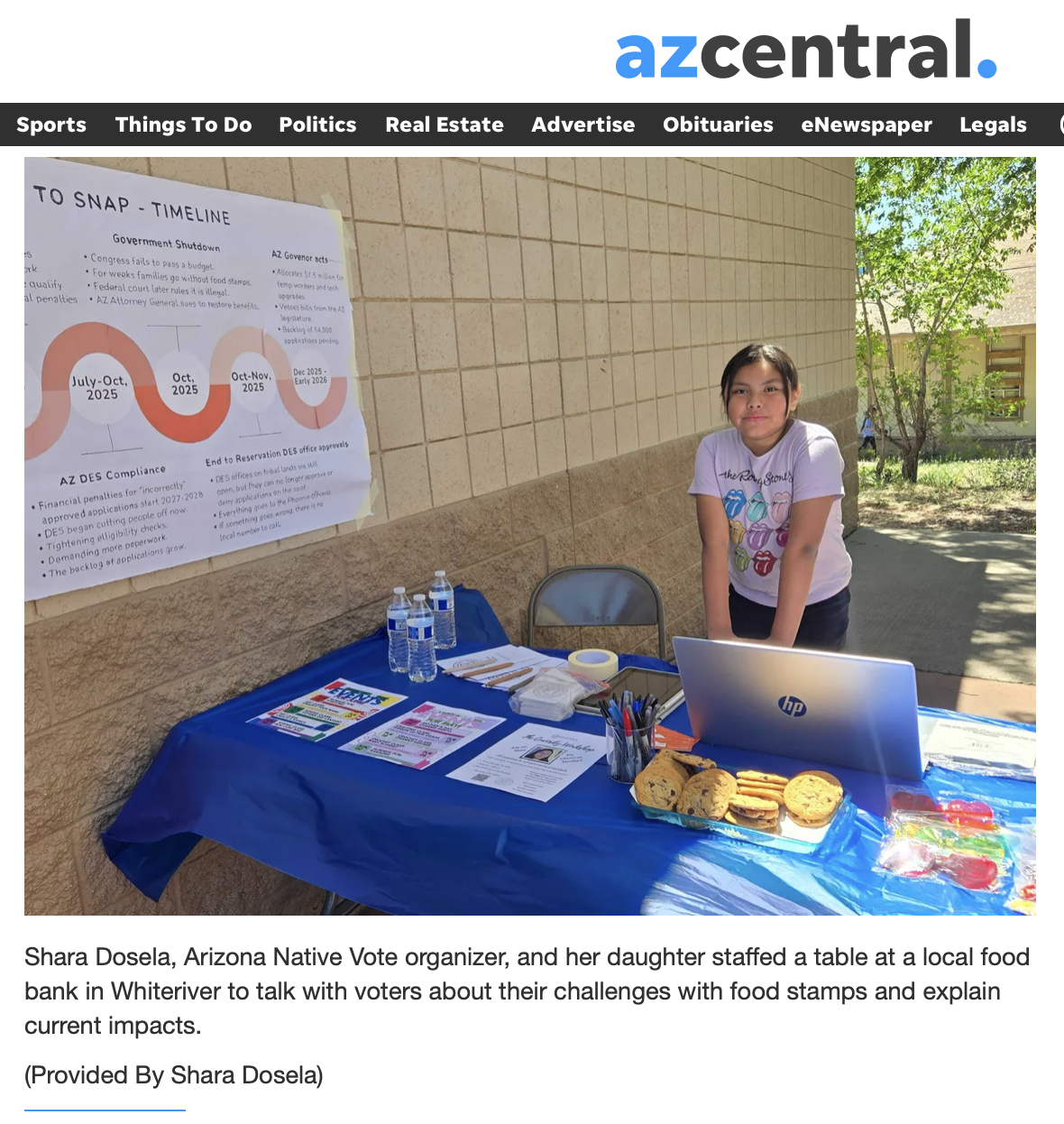
There’s a mother who saved enough money to pay someone to drive her to the nearest DES office. Or elders being turned away from offices because they don't know how to navigate an automated phone system. There is a father of seven who was recently laid off and has waited months for an interview that never comes. And a disabled artist from Hopi who is selling her work piece by piece to buy groceries for herself and her daughter. She applied for SNAP in December and is still waiting for a determination.
"I’ve had to ration food for months now and am struggling as a single parent to provide for my child,” said Shawn from Chinle, who applied in January, submitted all required documents, and was denied without notification. “I have sought out additional resources from food banks and other places, but they too are running low." She reapplied April 1 and is still waiting.
Congress ignoring impact of SNAP cuts to tribal members
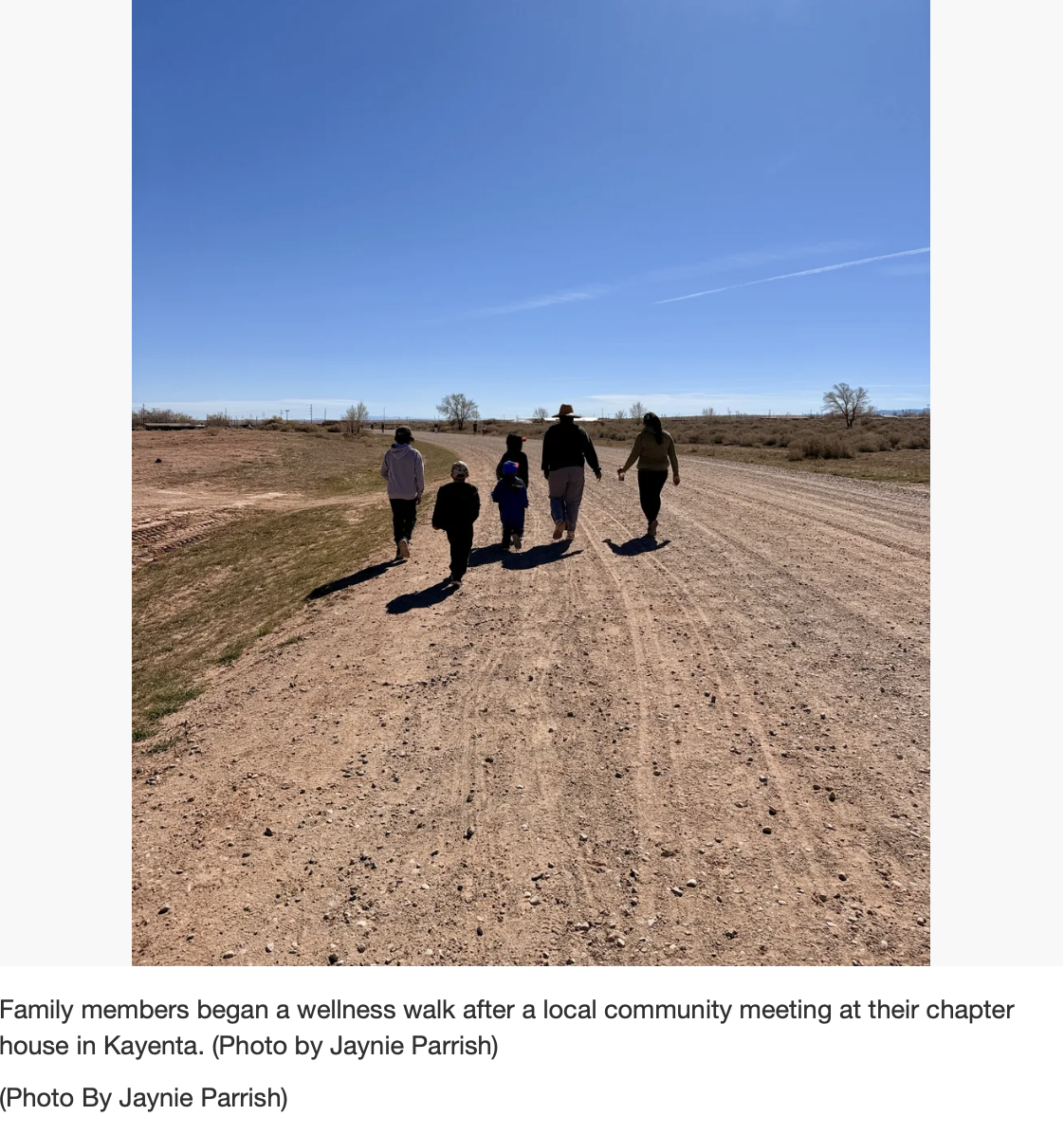
These are not people who gave up. They are people working multiple jobs, stretching every dollar, calling numbers that no one answers, reapplying after wrongful denials, hitchhiking or borrowing rides to offices that can no longer help them.
One family had benefits denied repeatedly because a son's Social Security income was wrongly counted as the mother's. She had to keep proving something that wasn't true, while going without.
A woman in Ganado completed her interview, submitted her documents and was denied anyway. She reapplied. She is waiting again.
This is the daily grind of trying to survive in a country whose government has decided other things matter more.
Because while Betty was hitchhiking 44 miles for food assistance that never came, Congress was writing a blank check for ICE to ramp up immigration enforcement — ripping apart more families and communities in the process. While Shawn stretched what little she had to feed her child, the administration was pushing a multi-billion-dollar ballroom renovation at the White House. While Lisa sold her art to buy groceries, billions more flowed toward military operations most Americans never voted for and don’t understand.
None of this happened by accident. Someone benefits from it being this way — and it isn't Betty, and it isn't Shawn.
In July 2025, President Trump signed the "One Big Beautiful Bill." There is nothing beautiful about it. It is the largest cut to federal food assistance in American history. The law slashed $187 billion from SNAP, expanded work requirements to adults up to age 64 and imposed steep financial penalties on states for processing errors. Arizona responded by laying off 500 DES workers, shrinking the staff reviewing applications by 36% — from 1,370 to 880. By December, 54,000 applications were pending.
Federal government must uphold treaty obligations
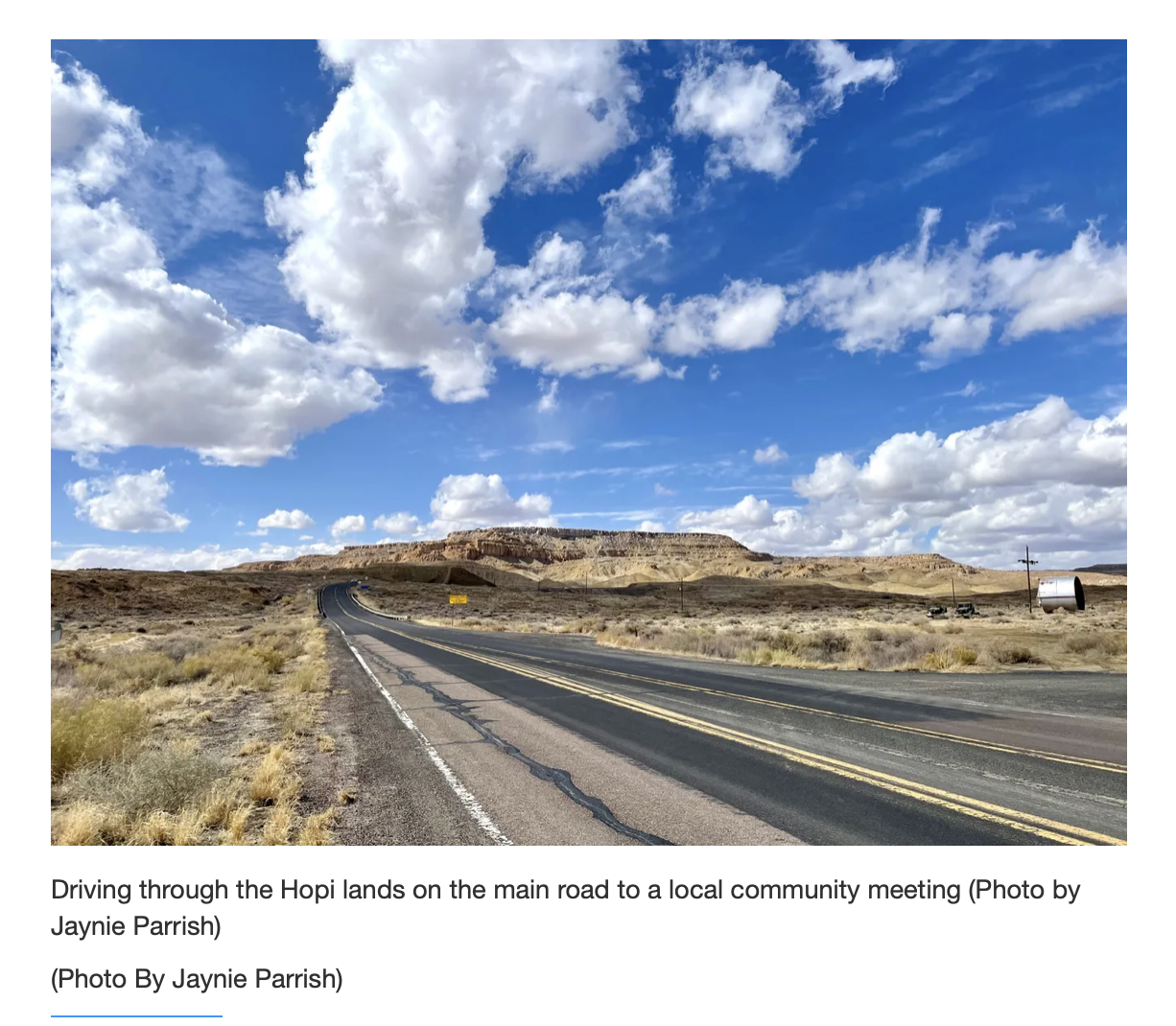
Here is the cruel irony: enrolled members of federally recognized tribes — including Navajo Nation, Hopi, and White Mountain Apache — are legally exempt from the new work requirements. But that protection on paper means nothing if you cannot apply. DES offices on tribal lands that once offered same-day, in-person SNAP processing now only accept paper applications and forward them to Phoenix. Interviews happen only by phone or online. Phones go unanswered for hours. The online portal locks people out. And for residents where the internet is unreliable, transportation is scarce and the nearest office may be 44 miles away with no public transportation and no guarantee of help when you arrive. "Just call the 800 number" is not a solution.
The federal government has a treaty obligation to tribal nations. Food assistance on tribal lands isn't a handout; it’s a legal and moral debt owed to our communities. There are family memories about how farms were burned and destroyed and animals killed or taken by the U.S. Army on Navajo lands. Every member of Congress who voted for this bill made a choice about who matters and who does not.
Two things must change: Congress must repeal the financial penalties forcing states to deny eligible people today. And DES offices on tribal lands must be restored to full capacity for same-day processing, local approvals, real people at the front desk and more.
Arizona voters have a say in this and we can do better. We should demand it at the ballot box. Every seat in the state legislature (90) and Arizona's nine U.S. House seats are on the ballot in November. And the July 21 primary election is where it starts. To vote in the primary, you must be registered by June 22. Voting your values begins with showing up.
Names have been changed to protect community members' privacy. Stories and quotes were collected by Arizona Native Vote 501c3 as part of ongoing outreach on tribal lands.
Jaynie Parrish, Navajo Nation, is the founder and director of Arizona Native Vote, a nonprofit helping to boost Native American civic participation.